Source Adult Child Dental Chair for Clinic, Hospital, and Mobile Use
Explore 30 verified options for the adult child dental chair, including mobile carts and fixed units. Compare specifications like power voltage, certifications, and material types to find suitable equipment for pediatric and adult patients in various clinical settings; compare the available evidence and request quotations based on your requirements.
Key considerations
Products List




Comprehensive Sourcing Guide
Adult Child Dental Chair Sourcing Guide
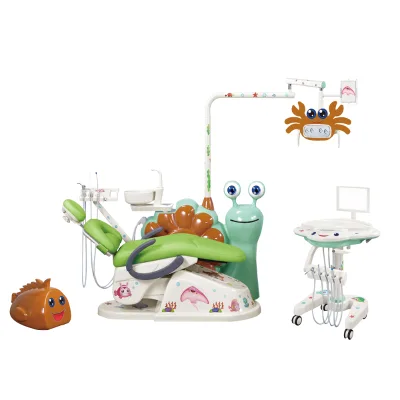
Procuring dental chairs that accommodate both adult and pediatric patients requires a strategic approach to balancing ergonomic versatility with clinical durability. Buyers must recognize that a single unit designed for this dual demographic often features adjustable headrests, seat depths, and armrest configurations to ensure patient comfort across varying age groups. This adaptability is critical for general practices aiming to maximize room utility without compromising on the specialized needs of younger patients who may require additional reassurance or physical support during procedures.
The sourcing landscape for these units is characterized by a wide range of technical configurations and price points, reflecting diverse manufacturing capabilities and feature sets. Observations indicate that models vary significantly in terms of power sources, interface designs, and material compositions, with some units emphasizing multifunctional capabilities while others focus on specific aesthetic or operational styles. Understanding these variations is essential for aligning procurement decisions with the specific clinical workflows and budgetary constraints of the purchasing facility, ensuring that the selected equipment supports long-term operational efficiency.
Product Scope and Observed Listing Signals
The market for dental chairs suitable for both adults and children presents a diverse array of product types, ranging from comprehensive dental units to specialized cleaning and filling equipment. Listings frequently highlight attributes such as "Multifunctional" styles and "Luxury" finishes, indicating a spectrum of options that cater to different practice branding and functional requirements. Some models are explicitly marketed for child applications, featuring specific design elements that address pediatric needs, while others are labeled for general adult use, suggesting that buyers must carefully evaluate the specific application claims against their patient demographic mix.
Observed product specifications reveal significant variation in physical dimensions, power requirements, and packaging standards, which directly impact logistics and installation planning. For instance, power sources are typically listed as electricity with specific voltage configurations like 220V/50Hz or 110V/60Hz, necessitating verification against local electrical infrastructure. Additionally, packaging details such as carton, wooden case, or wood box indicate different levels of protection during transit, while standard dimensions and cubic meter measurements provide crucial data for warehouse space allocation and freight cost estimation, ensuring that the physical footprint of the equipment aligns with the clinic’s layout.
Technical Specifications to Verify
When evaluating dental chairs for dual-age use, verifying the precise dimensional specifications and weight capacities is paramount to ensure safe and comfortable patient positioning. Buyers should scrutinize attributes such as chair size, weight, and the presence of integrated features like sensor lamps or rotatable spittoons, which enhance clinical efficiency. The interface configuration, including the number of holes or control points, must be assessed for ergonomic accessibility by both the dentist and the assistant, ensuring that all necessary tools and instruments are within easy reach during complex procedures involving either adult or pediatric patients.
Material composition and structural integrity are also critical technical factors that influence the longevity and hygiene of the dental chair. Listings often specify materials such as ceramic or metal components, which affect both the aesthetic appeal and the ease of sterilization. Additionally, the condition of the unit, whether new or refurbished, and the presence of specific models like mobile cart types or fixed installations, should be confirmed. These technical details determine the chair’s stability, maintenance requirements, and overall suitability for high-traffic clinical environments, making thorough verification essential before finalizing any procurement decision.
Compliance and Safety Documentation
Ensuring that dental chairs meet rigorous safety and regulatory standards is a non-negotiable aspect of the sourcing process, particularly for equipment used in clinical settings. Buyers must verify that all units possess valid certifications such as CE, ISO, and TUV, which indicate compliance with international quality and safety benchmarks. These certifications are crucial for establishing trust in the manufacturer’s quality management systems and ensuring that the equipment adheres to strict medical device regulations, thereby protecting both the healthcare provider and the patient from potential safety hazards or non-compliance issues.
In addition to general certifications, specific medical device regulatory types and registration numbers should be examined to confirm legal marketability in the target region. For example, some units may be classified as Type 2 medical devices, requiring specific documentation such as regulatory record numbers to ensure proper oversight. Buyers should also check for adherence to specific standards like ISO 13485, which relates to quality management systems for medical devices, to ensure that the manufacturing process consistently meets regulatory requirements. This due diligence helps mitigate legal risks and ensures that the equipment can be legally installed and operated within the clinic.
Cost Drivers and Commercial Terms
The pricing structure for dental chairs is influenced by a multitude of factors, including the complexity of features, material quality, and the level of customization available. Listings show a broad price range, reflecting the diversity of options from basic functional units to high-end, luxury models with advanced ergonomic features. Buyers should consider how attributes such as multifunctional capabilities, specific power voltage configurations, and integrated accessories like sensor lamps contribute to the overall cost, ensuring that they are paying for features that directly enhance their clinical operations rather than unnecessary add-ons.
Commercial terms, including minimum order quantities (MOQ) and packaging specifications, also play a significant role in the total cost of ownership. While some listings indicate an MOQ of one, suggesting flexibility for individual purchases, others may involve bulk ordering incentives or specific packaging requirements that affect shipping costs. Buyers must evaluate the total landed cost, including freight, insurance, and potential customs duties, alongside the unit price. Understanding these commercial dynamics allows for more accurate budgeting and negotiation, ensuring that the procurement process remains cost-effective while meeting all technical and compliance requirements.
Supplier Qualification and Quality Control
Selecting a reliable supplier for dental chairs requires a thorough assessment of their manufacturing capabilities, quality control processes, and after-sales support. Buyers should prioritize suppliers who demonstrate a commitment to quality through recognized certifications and transparent production practices. Investigating the supplier’s origin, such as manufacturing hubs in Foshan or other industrial regions, can provide insights into their supply chain efficiency and expertise in producing medical equipment. Additionally, verifying the supplier’s ability to provide customization options ensures that the dental chair can be tailored to meet specific clinical needs, enhancing its long-term value and usability.
Quality control measures should be rigorously evaluated to ensure that each unit meets the specified technical and safety standards before shipment. Buyers should inquire about the supplier’s testing protocols, inspection procedures, and warranty policies to mitigate the risk of receiving defective or non-compliant equipment. Establishing clear communication channels for technical support and maintenance is also crucial, as dental chairs are complex pieces of equipment that require regular servicing. A supplier with a robust quality assurance framework and responsive support team can significantly reduce downtime and ensure the continued safe operation of the dental chair in the clinic.
Long-Term Procurement Checks
Implementing a systematic approach to long-term procurement checks ensures that the dental chair continues to perform optimally throughout its lifecycle. Regular maintenance schedules should be established to inspect critical components such as the hydraulic systems, electrical connections, and upholstery for signs of wear and tear. Buyers should also monitor the availability of spare parts and consumables, ensuring that replacements can be sourced quickly to minimize operational disruptions. Proactive maintenance not only extends the lifespan of the equipment but also maintains a high standard of hygiene and patient comfort, which are essential for maintaining a reputable clinical practice.
Furthermore, staying informed about updates in regulatory standards and technological advancements is vital for ensuring that the dental chair remains compliant and competitive. Buyers should engage with suppliers to discuss potential upgrades or modifications that could enhance the chair’s functionality or safety features. Additionally, periodic reviews of the chair’s performance in clinical settings can provide valuable feedback for future procurement decisions, helping to refine selection criteria and improve overall equipment management. By adopting a forward-looking approach to procurement, clinics can ensure that their dental chairs continue to meet evolving clinical demands and regulatory requirements.
FAQs
What certifications do these dental chairs have?
The dental chairs carry CE and ISO certifications, with some models also holding TUV approval. These certifications ensure the equipment meets international safety and quality standards for medical devices used in oral surgery and general dental practices.
Which power voltage options are available for the units?
The units support dual voltage options of 220V at 50Hz and 110V at 60Hz. This flexibility allows the equipment to operate reliably in various international electrical environments without requiring additional transformers or adapters for different regions.
Can the dental chairs be customized for specific needs?
Yes, customization is available for these dental units to meet specific clinic requirements. Buyers can request tailored features or configurations, ensuring the equipment fits the unique operational needs of their dental practice or hospital setting effectively.
What is the typical packaging method for these chairs?
Packaging varies by model, with options including cartons, wooden cases, or wood boxes. This ensures safe transport and protection during shipping, with specific packing methods like wooden cases often used for larger or more delicate mobile cart types.
Where are these dental chairs manufactured and shipped from?
These dental chairs originate from Foshan, China, and are shipped from there to global destinations. The manufacturing location ensures access to established supply chains while maintaining competitive pricing and efficient logistics for international buyers seeking quality medical equipment.
What materials are used in the construction of these chairs?
The chairs are constructed using durable materials such as metal and ceramic components. These materials provide the necessary strength and hygiene required for medical environments, ensuring longevity and ease of cleaning for both adult and child dental applications.